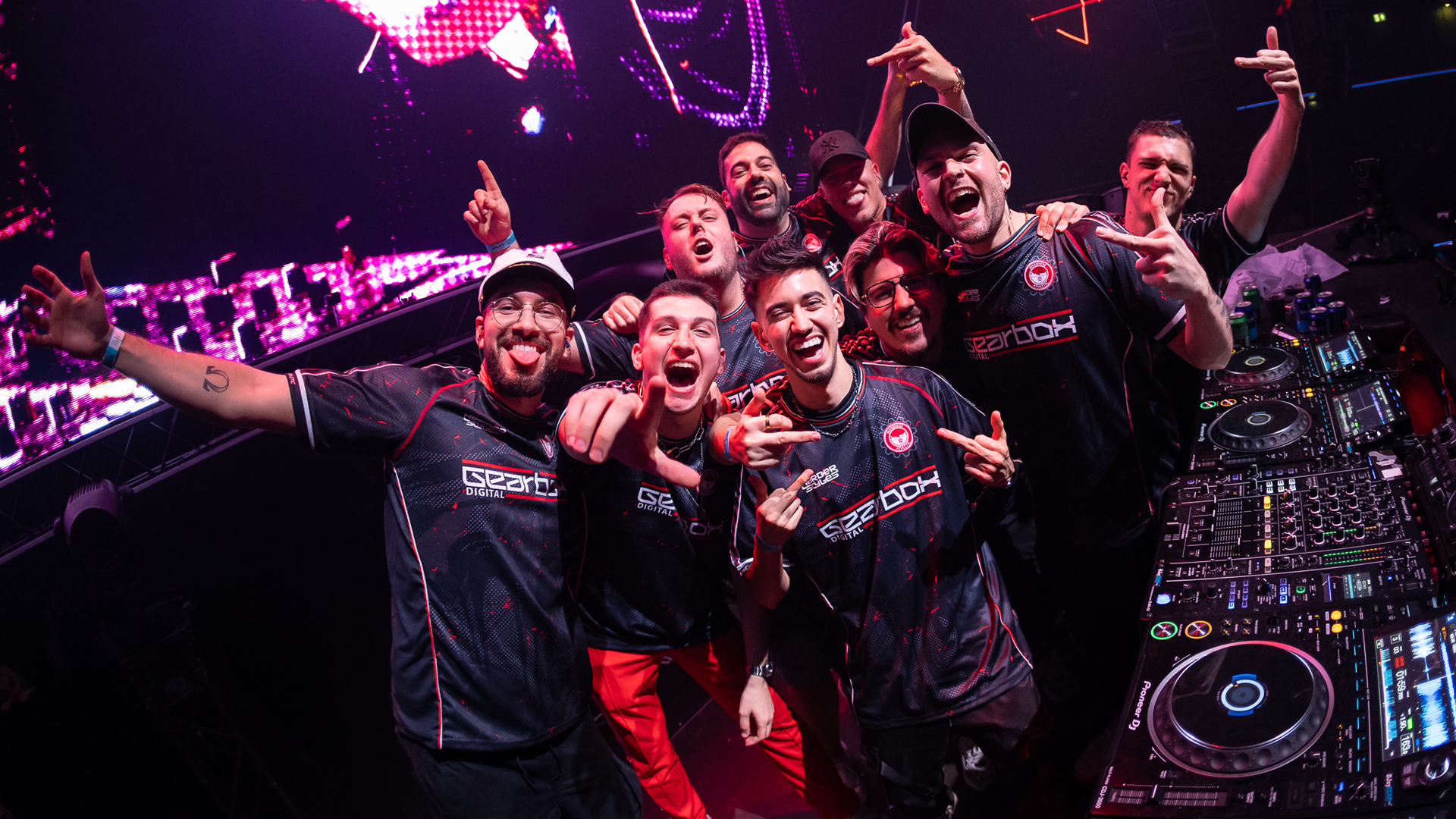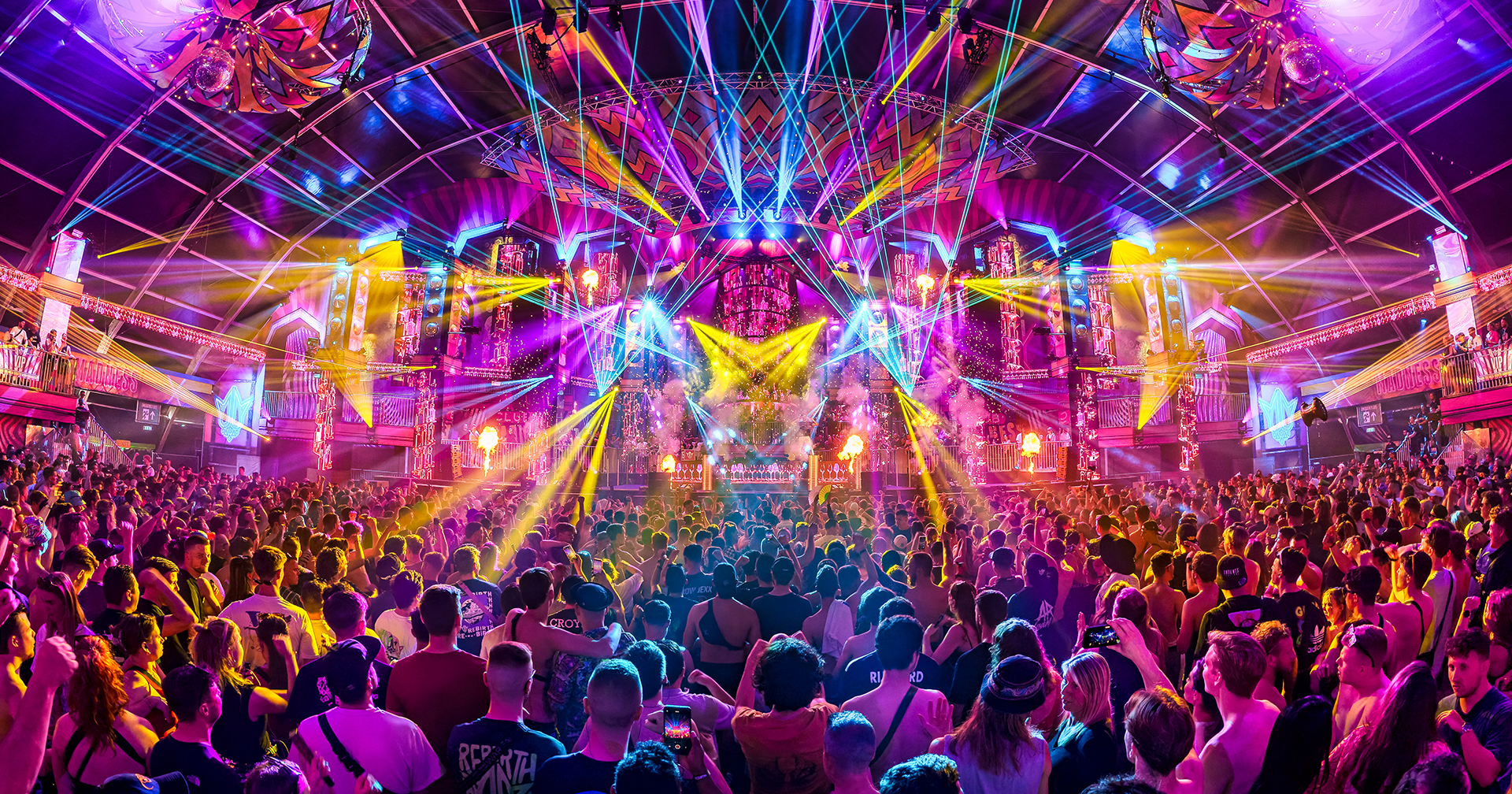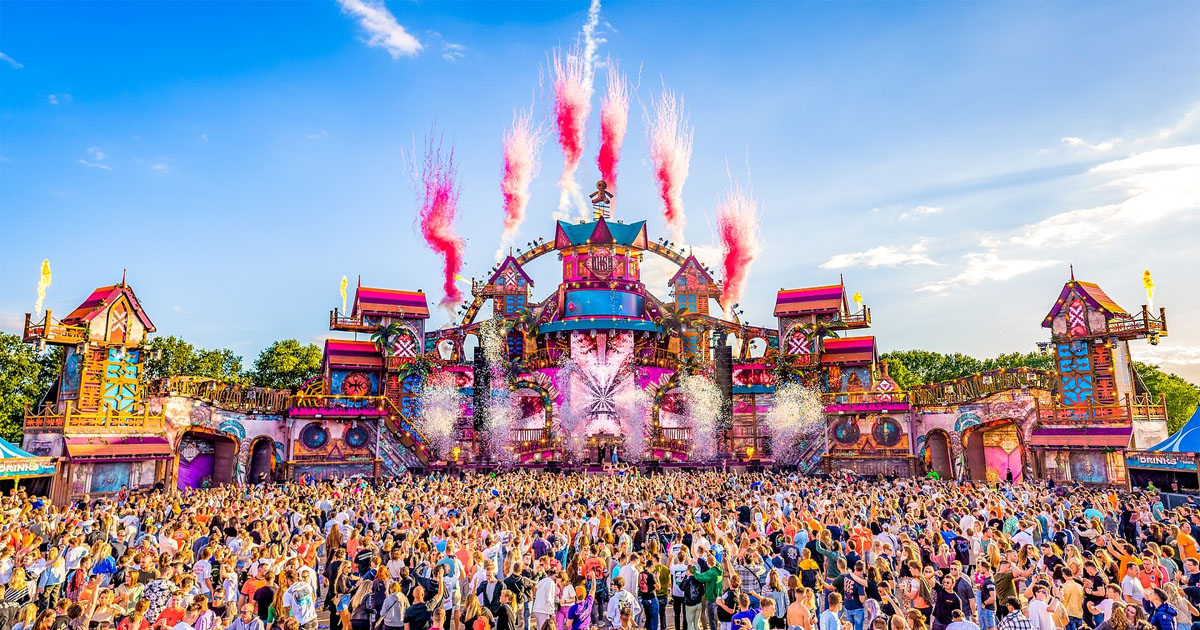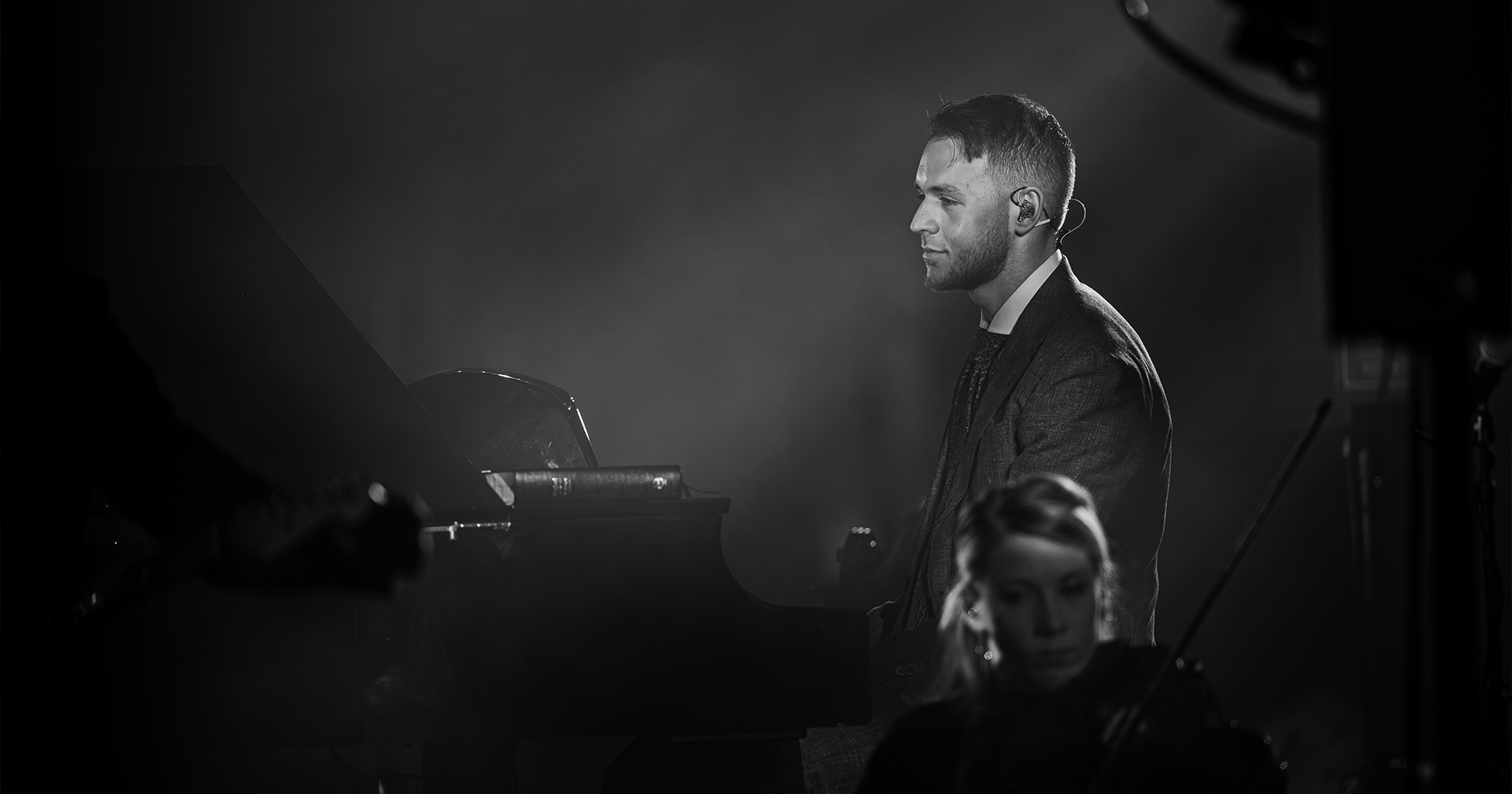


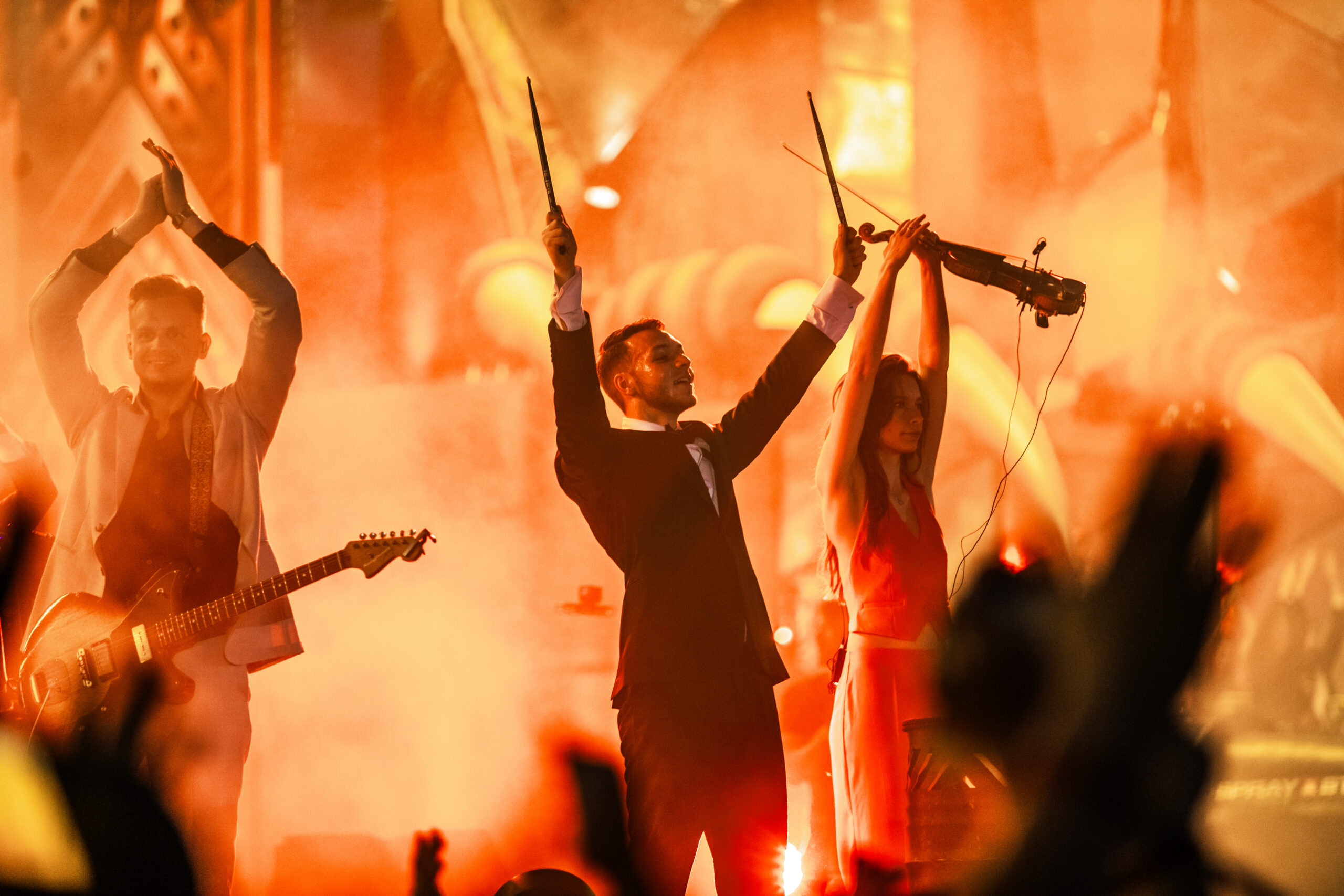
It’s Saturday night. After more than half a year of semi-retreat from events, I’ve been invited by D-Block & S-te-Fan to perform our collaboration Symphony of Life together at their twentieth anniversary. A “side job”: out of solidarity and respect, you show your face on stage for a moment. But it was in Haaren, quite a drive for me. And it was during the day. Since I’d be away from home all afternoon and evening anyway, I figured I might as well leave early. That way I could still catch some of what the kings had put together; my moment on stage wouldn’t be until late in the evening.
ALSO READ: Deepack on 35 Years of Madness: “Stopping is not an option”
So there I went. Walked around a bit. Met some nice people. Took in the atmosphere. It’s still difficult for me to walk through a crowd without sunglasses or some kind of camouflage, but everyone was so friendly that I gladly accepted the (always much appreciated) photo interruptions. I wandered around without any real obligations and didn’t quite shift from work mode into party mode, until I was musically snapped back to attention. Frontliner was playing. A welcome surprise. A colorful mix of old and new tracks went by. But then I heard something I didn’t believe at first. Adrenaline started pumping. My cup of Coke Zero almost hit the floor.
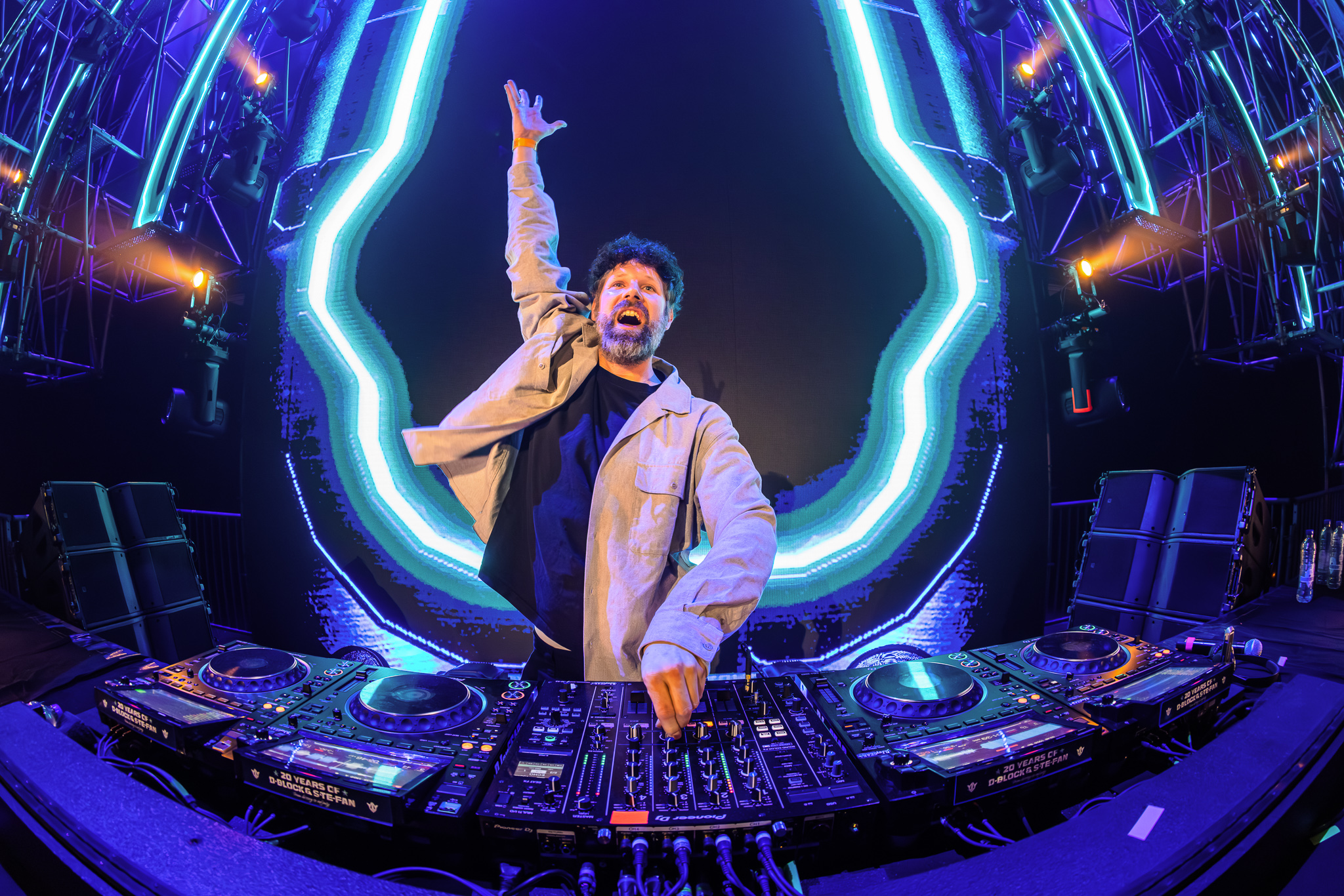
Is that – is that the screech from Headhunterz – Reloaded Part 2? Here?
Some context before we continue: although I was born in 2000, I experienced the classics era from around 2010 very consciously. Of course I couldn’t attend events yet, but I followed everything online with devotion. Aftermovies, CDs and DVDs were faithfully downloaded via The Pirate Bay (ssst…). To the astonishment of my classmates, I walked the school four-day march in 7th grade all by myself, carrying a BlackBerry loaded with an endless stream of Scantraxx and Fusion releases. My favorite, Reloaded Part 2, was on that phone as well. I suspect that even today, some classmates would still recognize that screech I played the track on repeat, earbuds weren’t really a thing yet, and my Beats by Dr. Dre were too expensive to bring along on this rain-soaked trek. I think my teacher felt too sorry for me to intervene.
“I was ten years old again, carefree, walking the four-day march”
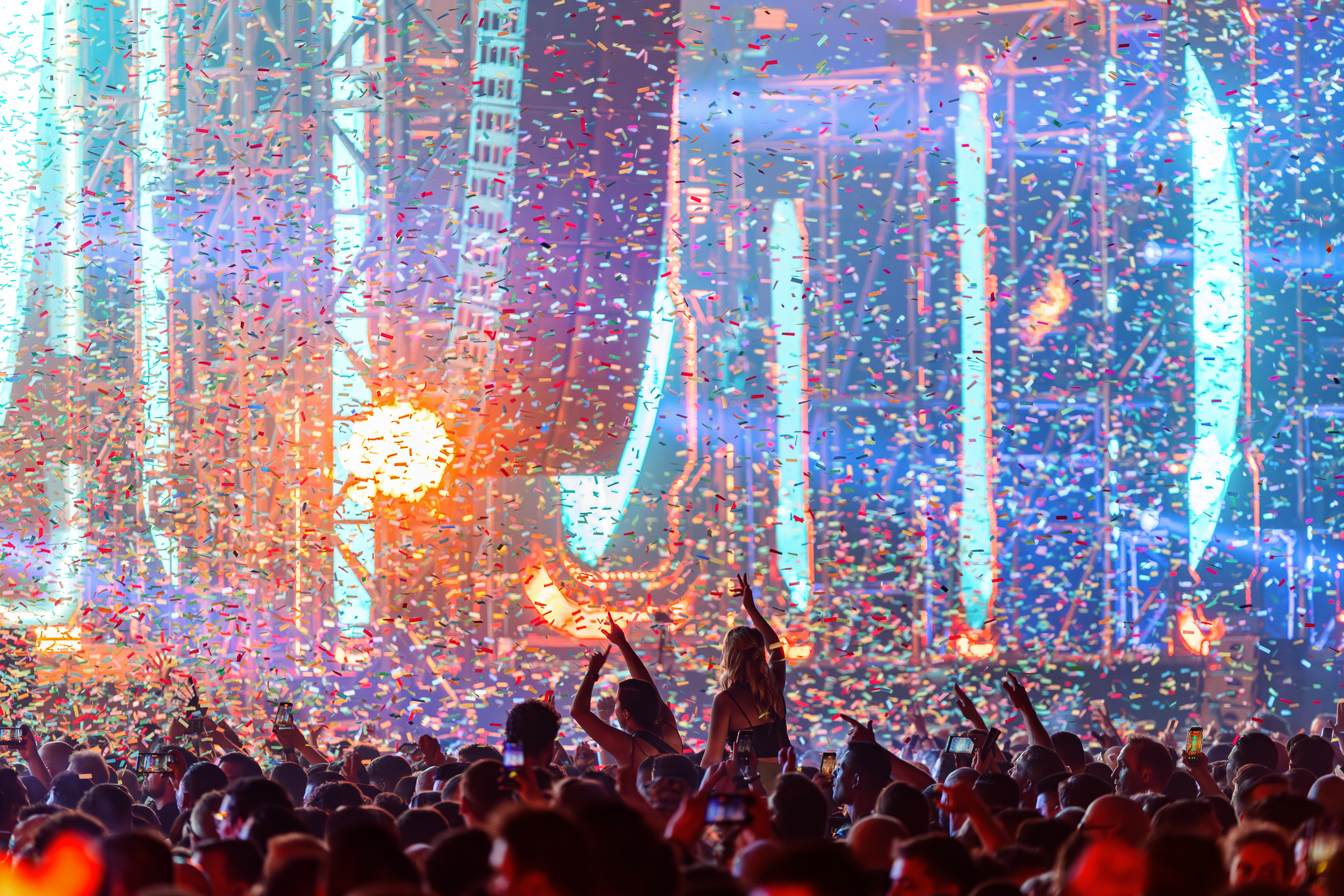
Back to that Saturday night. There I was, Coke in hand, standing at the front during Frontliner’s set, overwhelmed by an almost extraterrestrial feeling. I was ten years old again, carefree, walking the four-day march, and all my worries disappeared like snow in the sun. It was nostalgia – one of the most addictive sensations the human condition can produce. After the screech came the Schindler’s List-like break, with that speech – oh, that speech… I hadn’t heard it in years. In the deepest of night, few stood against many. Snare build, anticipation rising in the crowd. SCANTRAXX RELOADED! The melody drops, and everyone prepares to scream that final line in unison: Roll around, hit the kick, this is how we do it!
And there I was, the cool-headed guy who normally doesn’t go beyond a few fist pumps, dancing and jumping as if my life depended on it. I hope nobody filmed it. The original reason I was there at all, the Symphony of Life moment, was amazing, but it paled in comparison to what I experienced during Frontliner’s set. And Symphony of Life is by far my favorite track of my own. The moment itself wasn’t lacking, it was magical. Satisfied yet shaken, I got into my car that night. Like I had just kissed a girl for the first time. What is going on?
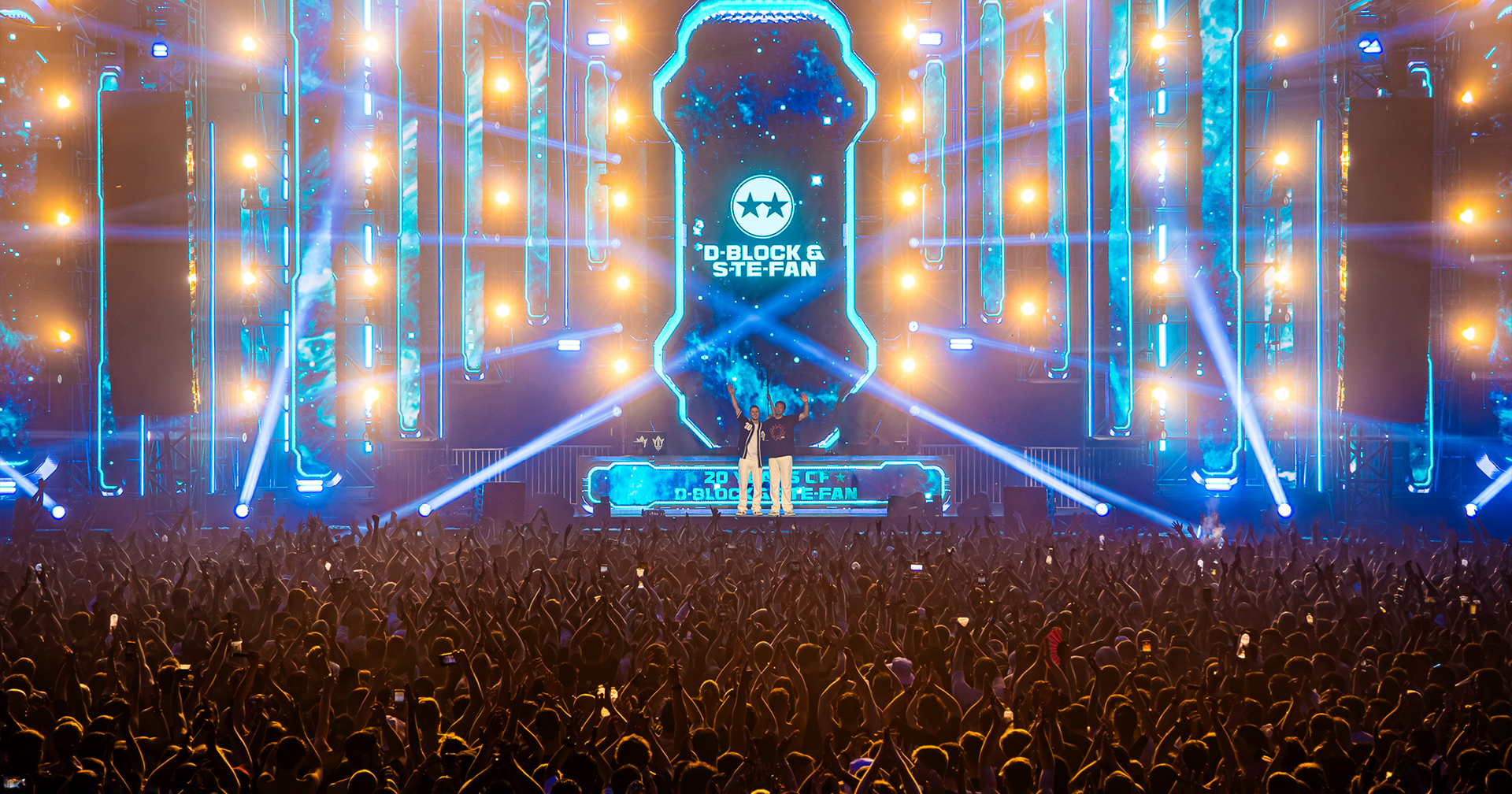
“Nostalgia is one of the most addictive feelings the human condition can produce.”
Apparently, I’m not the first person to feel this way. Classics events are popping up like mushrooms these days. Since the launch of pioneer event Vroeger Was Alles Beter in 2017, it has grown from Maaspoort (2017) to Autotron (2021) to the Brabanthallen (2024). With the planned return of Project One in 2026 and the upcoming classics edition of Supremacy, major artists and organizers are embracing this trend. Artists from the new generation are incorporating more classics into their sets than ever before. Last week I saw a video of Sub Zero Project playing Rock Civilization, with a young crowd shouting along as if it were Our Church.
Yes, even kids (can I say that as a 25-year-old?) of eighteen. Eighteen, meaning born in 2007, the release year of Rock Civilization. This is what you’d call intergenerational transmission: tracks don’t disappear, they’re passed down from generation to generation. Most new hardstyle fans now have a basic vocabulary of classics and can effortlessly sing along to Live The Moment or Phases (TBY Romantic Mix) between kickrolls when needed.
“To my own shock, I’m starting to notice that I’m getting old.”
Without diving into an extensive philosophical treatise, I want to frame this within the spirit of the times. When I came up around 2018–2019, classics lovers were largely a group of moss-covered Hardtraxx veterans, not so much lamenting a lack of creativity in the scene, but rather having crossed thirty themselves and longing for a time when their bodies still cooperated and hangovers didn’t stretch into the workweek. Less active participation leads to less identification, and therefore more criticism. That’s why we find it so hard to criticize our own behavior, yet have no trouble labeling politicians as “traitors” without a pang of conscience.
But just like in politics, which currently suffers from record-low trust in the Netherlands, something fundamental has changed in our scene since the COVID crisis. A break with the past has occurred. In 2019, I could fill up my diesel car for 60 to 80 euros. Now I pay double. In 2019, I could easily keep up with the music played at events. There was continuity. Now, to my own shock, I’m starting to notice that I’m getting old – even though I’m “only” 25, and I can no longer relate to the dominant taste. Everything feels too fast.
“The first reflex is to say that it’s all shit.”
The first reflex is to say that it’s all shit, and to join the Hardtraxx veterans and other dinosaurs. The second reflex is to accuse myself of getting old and suppress my gut feeling. It must be me. But after further reflection and the empirical evidence of the classics-event witch’s circle, I can’t escape that break with the past.
And here I ask the reader to look inward for a moment. Is the music from the so-called classics era not genuinely richer in feeling and quality? Is the new generation of artists, myself included, searching for different things than the classics generation once did? Or are we so blinded by addictive nostalgia that we only imagine this?
Because what I felt that Saturday night at DBSTF was real. And the feeling thousands of fans experience at a VWAB is real too. Tickets sell out instantly. Hasn’t that break with the past actually happened? These are the questions I ask myself while listening to my Release Radar on Spotify. Do we still believe we’re moving forward as a scene? Or are we merely slowing down stagnation? Or is this simply part of growing up? Because one day you realize that the flip side of living proactively is passive, gradual dying. I was 24 when I noticed that.
“What is lost will never return.”
Nostalgia has always existed, but it sometimes flares up when an entire generation collectively feels that something has been lost — something that can never come back. This happens in art movements, but also in youth itself. That sound will never return in the same way. Neither will your youth. What I felt at DBSTF was like noticing your first gray hair. The first time your back gives out. Or the first time an event simply isn’t worth the hangover anymore. You let out a deep sigh and come to the painful conclusion: what is lost will never return. And it will only get worse. The worst is yet to come (Het ergste moet nog komen).
“We gotta remember why we fell in love with house music”
There should probably be a conclusion here, a hopeful dawn, a call for a scene-wide renaissance inspired by today’s classics craze. A plea to integrate this longing for the past into the ongoing flow of the scene and to look toward the future with renewed energy. But honestly, I’m afraid that won’t happen. Because one day – in ten, twenty, or thirty years – someone might reread this text and think: “Man, if only it were still 2025. Back when we were just beginning to notice the enrichments of AI in our beautiful scene, living in a golden age of kloenks and krachs.”
Vroeger Was Alles Beter might then relaunch with a grey-haired, hunched-over Dual Damage as the main act, followed by Rooler with a walker, and closed by Sefa, somehow convinced between preaching and organ playing to do an hour of This Was Sefa. And once again there will be two different generations: if you want to hear Music Made Addict or Scrap Attack in 2035, you’ll need to attend a classics-of-classics event.
It’s turning confusing and gloomy. But I would still like to end on a hopeful note: music is music, and art is art. That will always remain true, in every era – as long as the core remains intact: appreciation for craftsmanship, and for creating, experiencing, and reliving unforgettable moments together. Or, as Wildstylez put it in Back 2 Basics (2011): “We gotta remember why we fell in love with house music. We gotta get back to the basics.”
In line with that call, I now sing, in harmony with the classics choir: the cycle has been completed, let’s go back to the basics.
Sefa