

Festival organisers across Europe are facing an increasing number of challenges. Rising costs, visitors purchasing tickets later than ever before and more extreme weather conditions are making festivals increasingly difficult to organise. As a result, even a sold-out edition is no longer guaranteed to be profitable. Those are the conclusions of ‘Under Pressure But Still Standing’, a new report by the European live music network LIVE DMA.
ALSO READ: Cheap TicketSwap deals in the Netherlands may disappear
For the report, LIVE DMA interviewed sixteen festival organisers from nine European countries, including the Netherlands and Belgium. The festivals included in the research vary significantly in size, ranging from events with 1,500 visitors and budgets of €60,000 to festivals welcoming 40,000 attendees with budgets of up to €3.5 million. While the report is not intended to represent the entire European festival industry, the researchers say it highlights challenges that are becoming increasingly common across the sector.
Festival costs continue to rise
One of the report’s recurring themes is the rapidly increasing cost of organising festivals. One organiser says that almost every expense has doubled over the past three years, while another reports annual cost increases of between 20 and 30 percent. According to LIVE DMA, festivals are particularly affected by rising expenses for artists, security, technical production, staff and temporary infrastructure.
Artist fees are among the largest expenses. At some festivals, artist budgets reach €400,000 and account for roughly one-third of total expenditure. On top of performance fees come additional costs such as flights, hotels, local transport, catering and technical riders.
Staffing costs are also increasing. One of the festivals included in the report now spends around €200,000 annually on personnel, with several organisers describing staffing as their single biggest expense.
Visitors are waiting longer to buy tickets: up to a third of tickets sold in the final week
The report also highlights a noticeable shift in visitor behaviour. According to several organisers, up to one-third of all festival tickets are now sold during the final week before the event. One of the interviewed festivals even sells around 70 percent of its tickets in the last two weeks leading up to the festival.
This creates significant uncertainty for organisers, who often have to commit to major investments months in advance. Artists, stages, suppliers and security are booked long before a large share of ticket revenue actually comes in.
Extreme weather is increasing financial risks
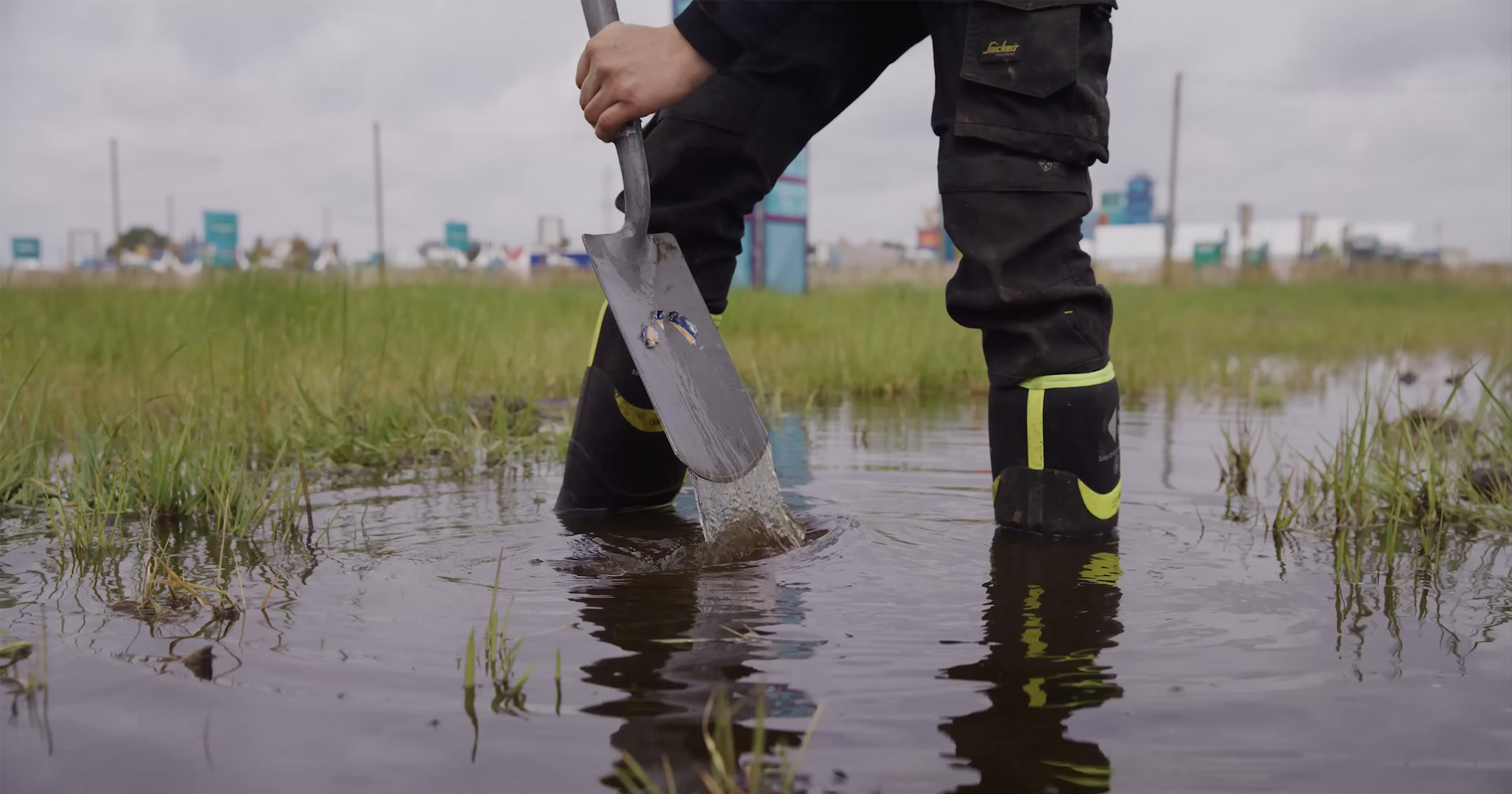
According to LIVE DMA, extreme weather has become another major concern for festival organisers. Heavy rain, heatwaves and storms not only require additional safety measures but can also have a direct impact on a festival’s operation and financial performance.
The report itself mentions one festival losing approximately €100,000 due to a rainy edition, while two of the sixteen festivals interviewed have already experienced full evacuations because of extreme weather. According to the researchers, poor weather creates a double financial impact: visitors postpone buying tickets and tend to spend less on food and drinks during the event, while safety and insurance costs continue to rise.
Recent examples in the Netherlands illustrate the growing risks. Defqon.1 was completely cancelled this year due to extreme weather conditions, while Intents Festival faced severe rainfall in 2024, leaving parts of the festival grounds unusable and affecting the overall visitor experience.
A sold-out festival no longer guarantees profit
One of the report’s key conclusions is that a sold-out festival says less and less about its financial health.
With operating costs continuing to increase and limited room to raise ticket prices further, some festivals only manage to break even despite selling out. One organiser even revealed that their festival came close to bankruptcy after several seemingly successful editions.
According to LIVE DMA, any profits are increasingly being used to build financial reserves for future editions rather than to invest in growth.
A broader picture of the European festival industry
Through ‘Under Pressure But Still Standing’, LIVE DMA aims to provide insight into the growing challenges faced by festival organisers across Europe. The report concludes that the industry is no longer dealing with isolated issues. Instead, it is the combination of rising costs, changing visitor behaviour, increasingly extreme weather and a highly competitive artist market that is making it progressively harder for festivals to remain financially sustainable.