
Uptempo was once mainly reserved for the final minutes of a hardcore event. Today, the genre attracts enormous crowds, artists are performing on increasingly bigger stages, and entire events are dedicated to uptempo. But its popularity isn’t the only thing that has changed. While the music used to be all about speed, the scene now features a wide variety of sounds and subgenres. This explosive growth brings new opportunities, but also division. How did uptempo develop into a genre of its own within the harder styles?
ALSO READ: Ten years of Snakepit: every uptempo style and generation under one roof
Dit bericht op Instagram bekijken
From closing mainstages to becoming a genre of its own
Uptempo has its roots in the hardcore scene, where DJs increasingly searched for faster and harder tracks. The B-sides of hardcore records played an important role in this development. These tracks were played less frequently but often featured the rawer, harder sound that certain DJs were looking for.
Partyraiser was one of the artists who brought this sound to the bigger stages. “Back in the day, I was the one closing all the events, the mainstages, with a fast set,” he explains on PLAFONDDIENST. “It was mostly mainstream hardcore at the time, and they would ask Partyraiser to close because I always played the B-sides instead of the A-sides. I picked out the hidden gems, the absolute bangers that not everyone got to hear.”
Because this faster music wasn’t always accepted within the mainstream hardcore scene, he decided to create opportunities for emerging artists himself. “At some point, I started the label to give those artists a chance, because more and more producers wanted to start making that faster music.”
The pandemic marked a turning point for uptempo
According to Partyraiser, uptempo underwent a major transformation during the COVID-19 pandemic. While festivals were on hold, producers had more time to experiment, and emerging artists could showcase their music through online streams “Before that, the genre had pretty much stayed the same. The kicks evolved a little, but during COVID, there was this massive shift and so many new artists entered the scene. Everyone had a different vision.”
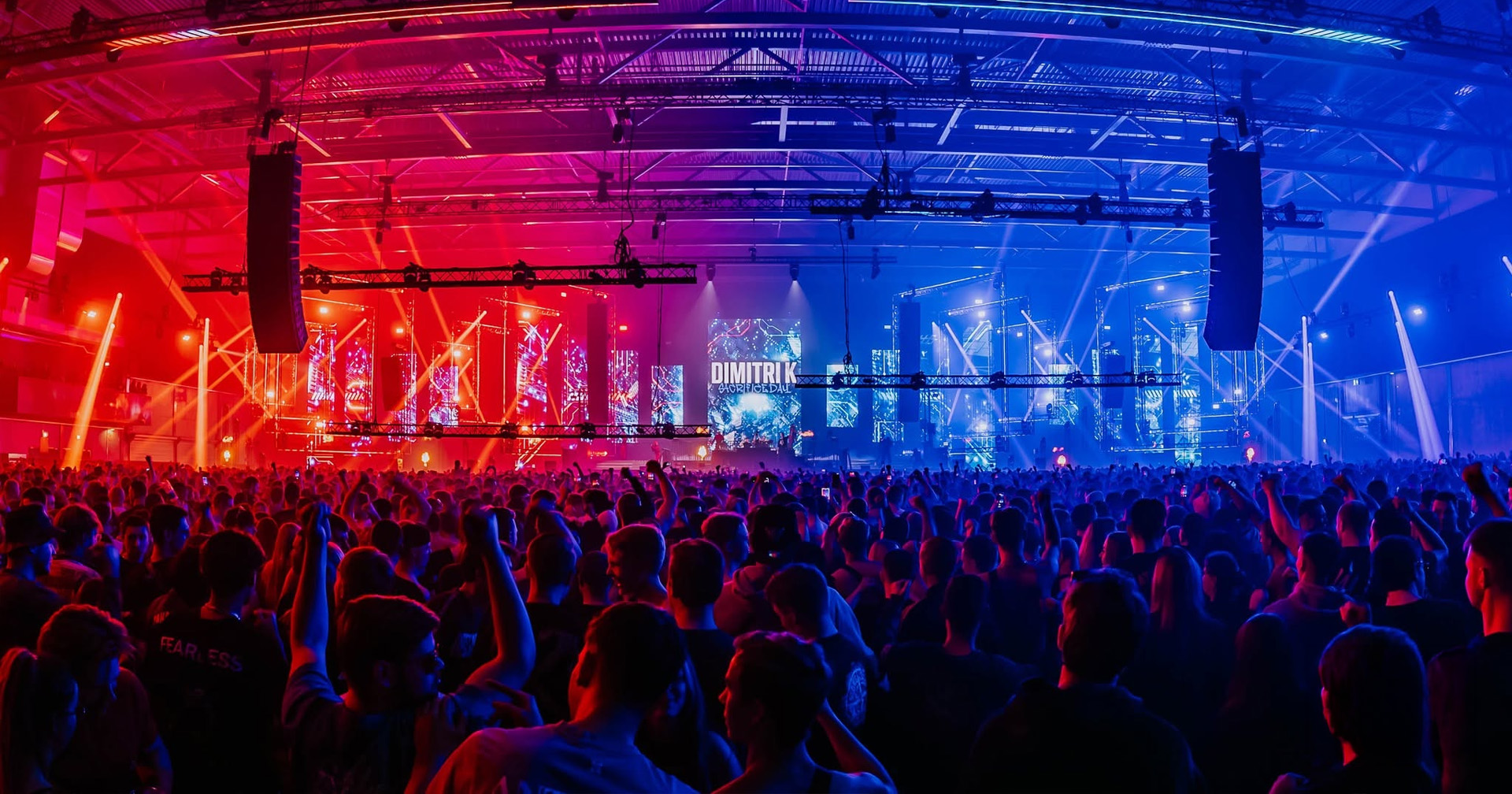
Artists such as Dimitri K began standing out more with their own distinctive sounds. At the same time, a younger generation discovered uptempo online. “Online, they suddenly discovered all these new artists who practically turned it into an entirely new genre. That’s the uptempo we know today.”
The music itself also began to change. Beyond speed and a relentless drive, an increasingly wide variety of kicks, drops and new sounds emerged.
A genre with an increasing number of subgenres
Uptempo began evolving in several different directions. Zaagkicks, piepkicks, krach and bounce developed their own followings, while slower sounds also gained popularity. Interestingly, a genre that originally became popular because of its speed now includes styles with significantly lower BPMs.
Partyraiser sometimes struggles with this development. “At first, it was just uptempo: hard, fast, pounding hardcore. Now, ten years later, suddenly everything is called uptempo. I find that frustrating sometimes, because 160 BPM isn’t uptempo, but nowadays it’s being classified as such.” Nevertheless, he remains open to innovation. “I’m partly responsible for it myself, because these days I also enjoy starting a little slower. You just go along with every genre and every vibe, as long as you enjoy it yourself.”
T.M.O., meanwhile, draws much of his inspiration for bounce from early frenchcore. “I think it’s about being able to keep moving. I’m a frenchcore fan myself, especially early frenchcore, and that’s where I get a lot of inspiration. Right now, fake drops work really well for getting crowd reactions, of course. But I think it’s important to go full throttle again afterwards.”
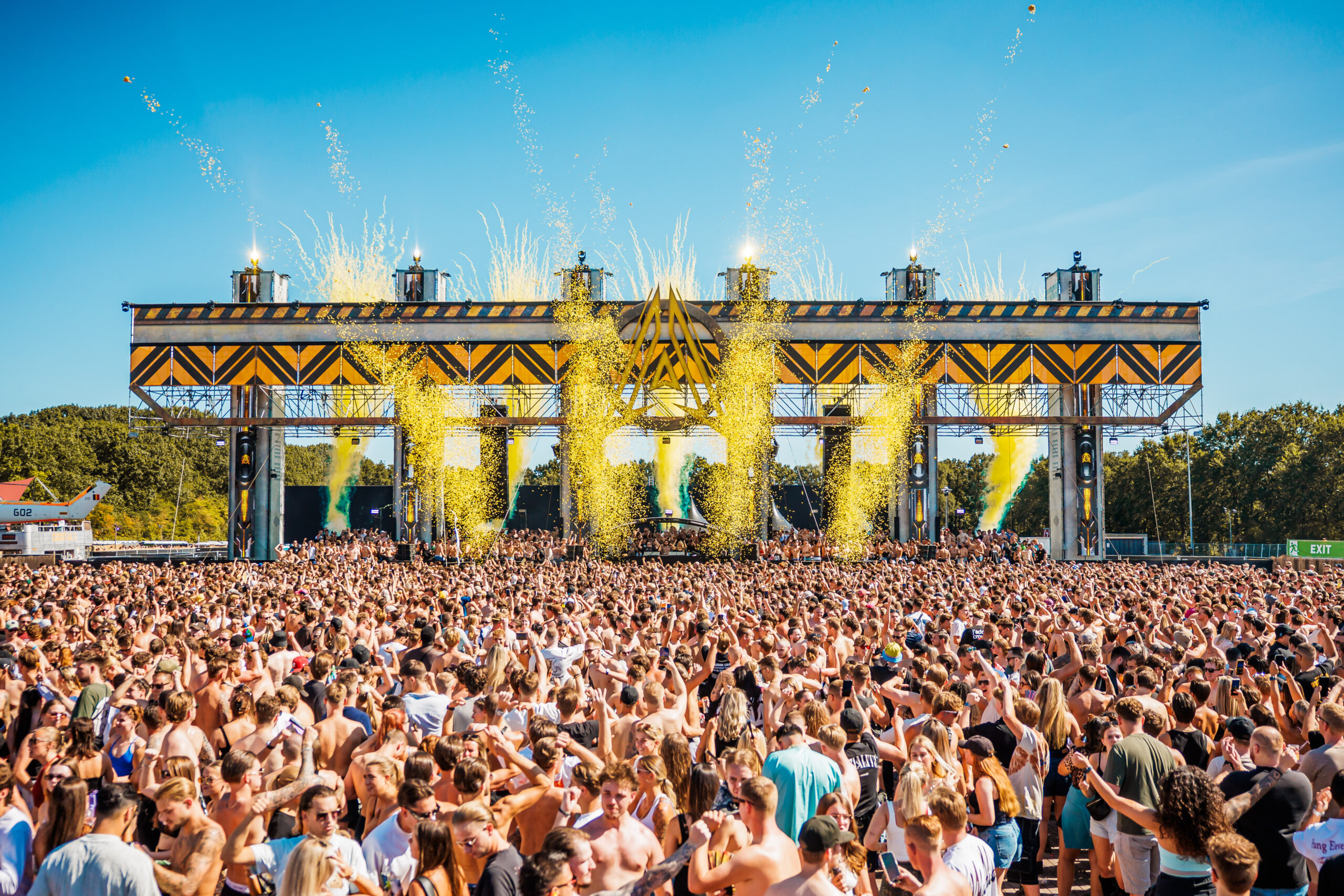
New sounds are also creating division
This musical diversity also has a downside. As different styles emerged, the uptempo scene became increasingly divided into groups with different preferences, which regularly clash. “As an artist, if you play one type of uptempo nowadays, one group doesn’t like it. Then you play something for that group, and another group doesn’t like it,” Partyraiser explains.
According to him, things used to be different. “Back in the day, we’d all go to the Energiehal, Sporthallen Zuid or the Vechtsebanen. It didn’t matter where. You went there for one thing: gabber. Everyone was there, hakking, dancing, partying, and nobody cared who was playing what. You were all gabbers, all friends, just enjoying it together. I think it’s a real shame that things aren’t always like that anymore.”
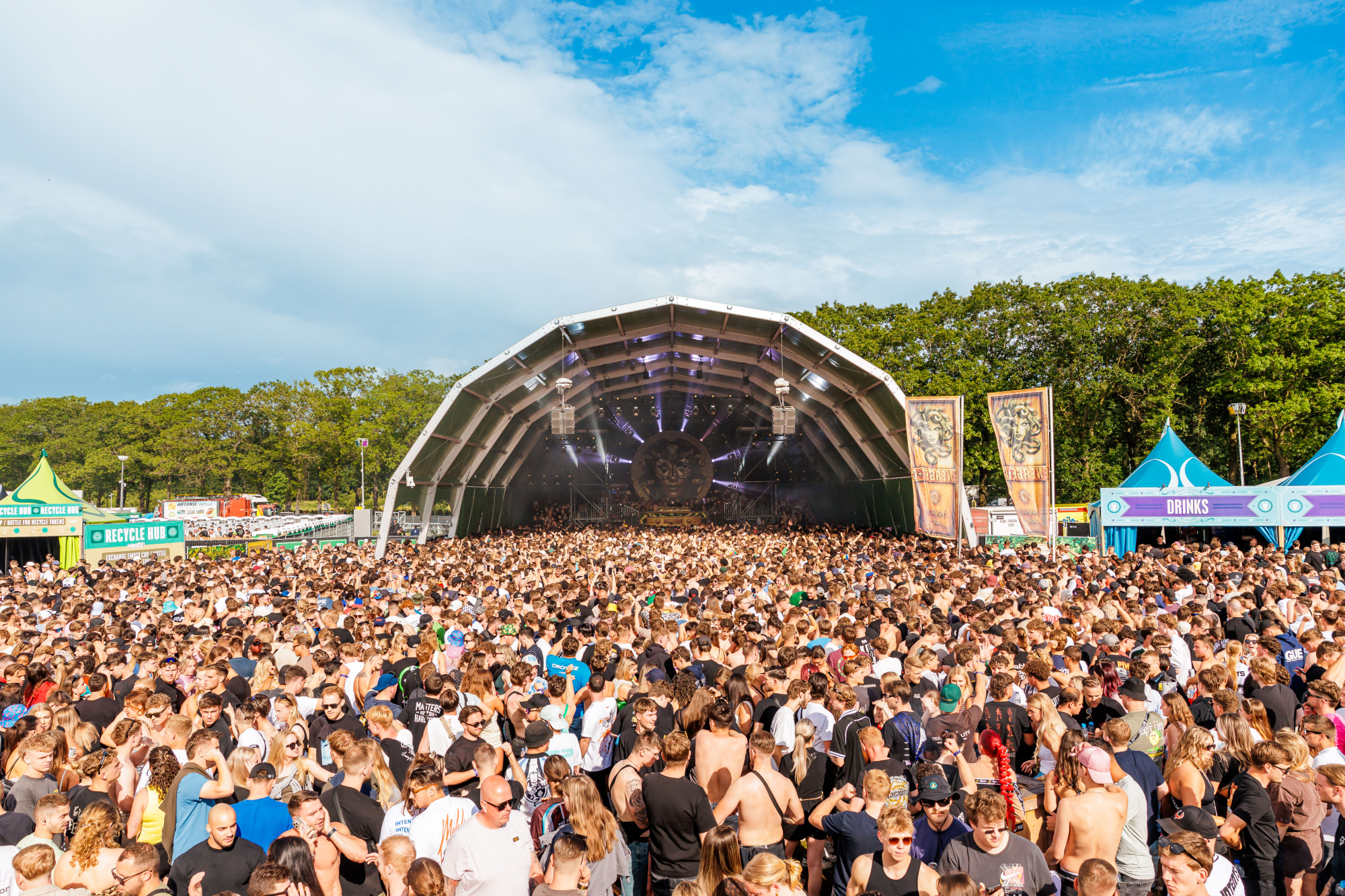
Uptempo stages are stuggling to keep up with its growth
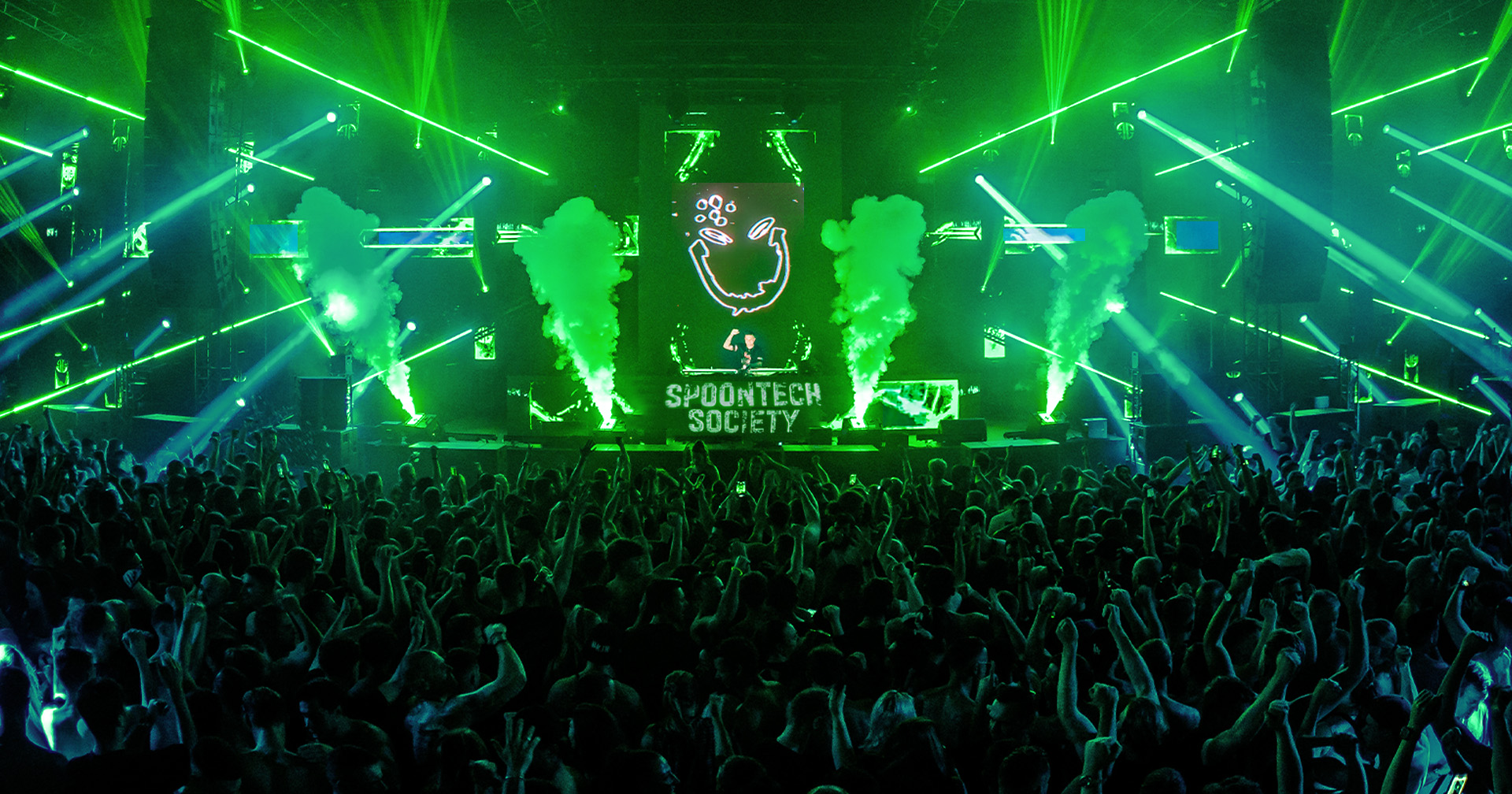
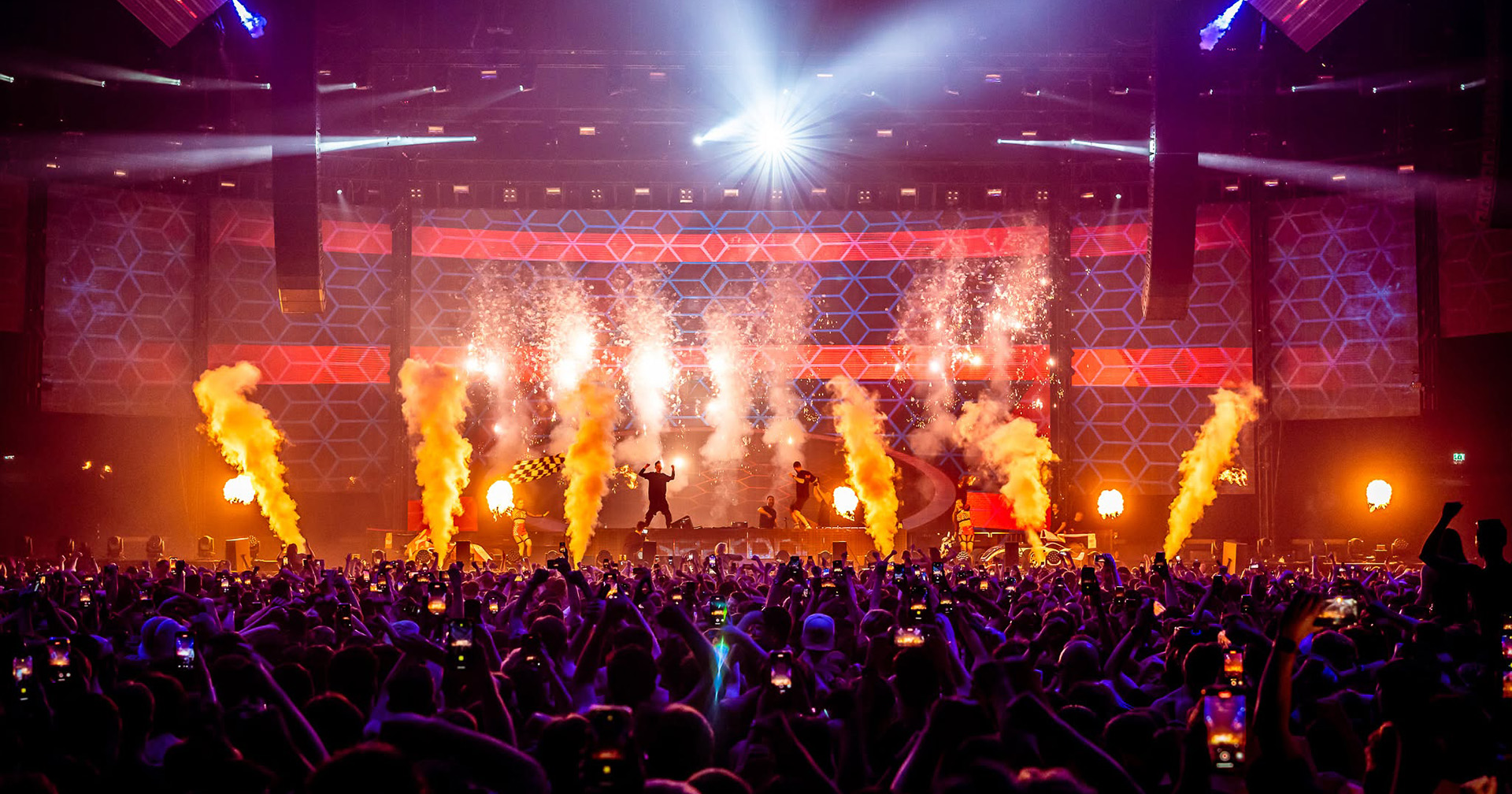
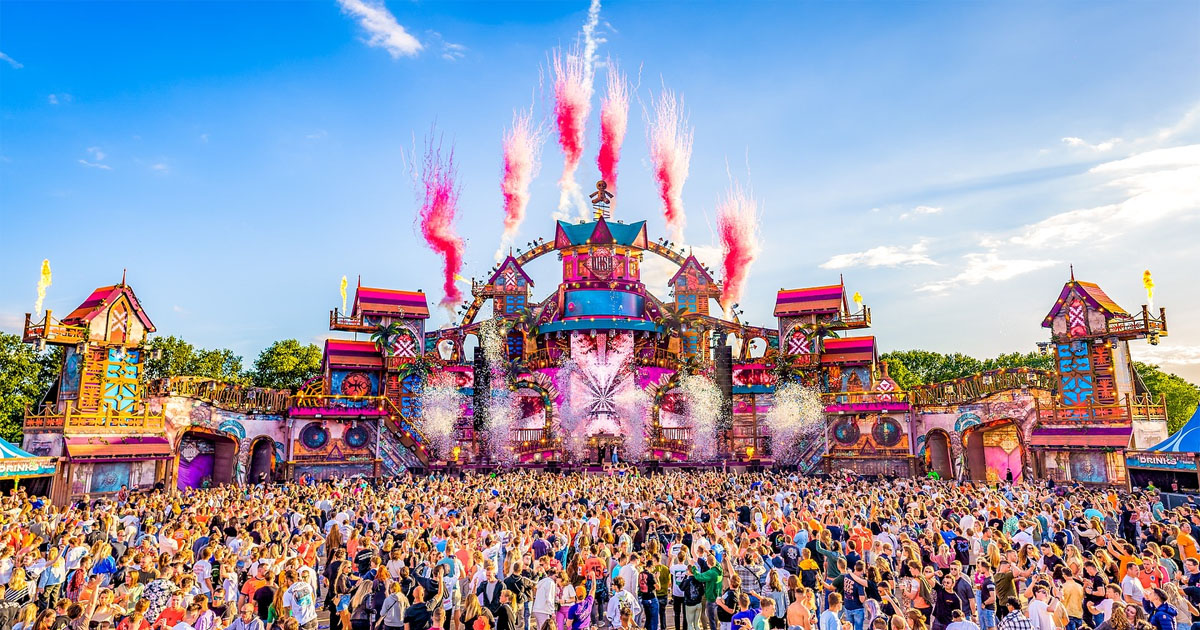
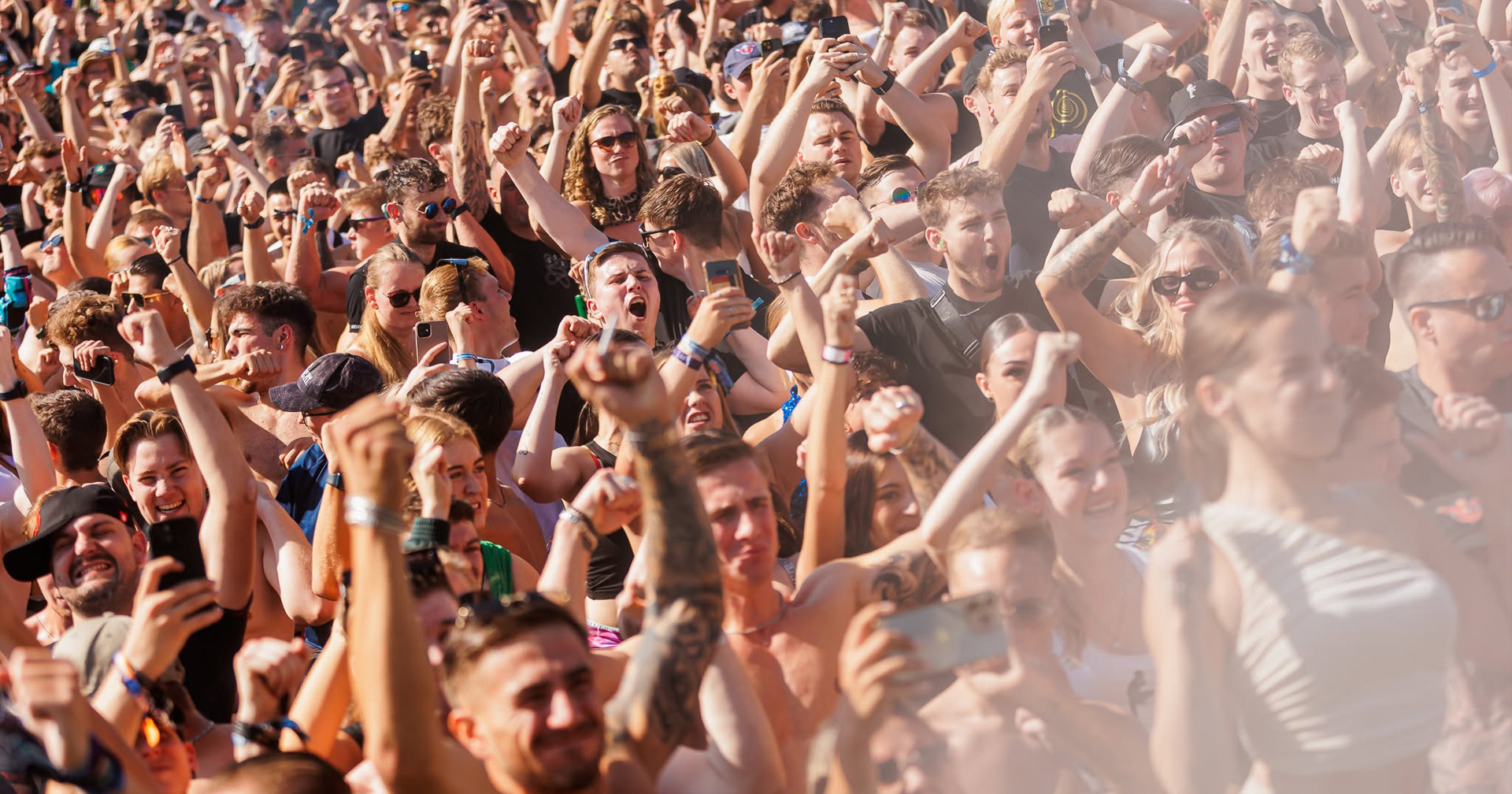
The genre’s growth is also clearly visible at festivals. Where uptempo was once confined to small areas, its stages have since grown considerably. According to Partyraiser, its popularity was underestimated for a long time. “Back then, the uptempo areas were still really small. People kept saying: shouldn’t we make them a bit bigger, guys? Just look at how many people are standing outside.”
Even as festival organisers have expanded their uptempo stages in recent years, the crowds have continued to grow. At some events, areas that were enlarged to accommodate the increasing demand have once again proven too small. It illustrates just how quickly uptempo’s popularity has developed.
This growth is forcing festival organisers to reconsider how they allocate space. “At another major event, it would be quite unusual to suddenly make the hardcore stage smaller than the uptempo stage. I think that drastic change, with uptempo becoming bigger than hardcore at certain events, is still difficult for some people to accept.”
At the same time, T.M.O. emphasises that uptempo’s growth doesn’t automatically have to come at the expense of other hardcore styles. In his view, the genre simply needs more room to grow, both in the Netherlands and internationally.
From fast closing sets at hardcore festivals to dedicated events featuring multiple areas, uptempo has undergone an enormous transformation. Even Partyraiser, who helped lay the foundations for its rise, continues to be amazed. “It’s amazing that it’s become so big. It’s crazy, really. How fast it’s growing, worldwide.”
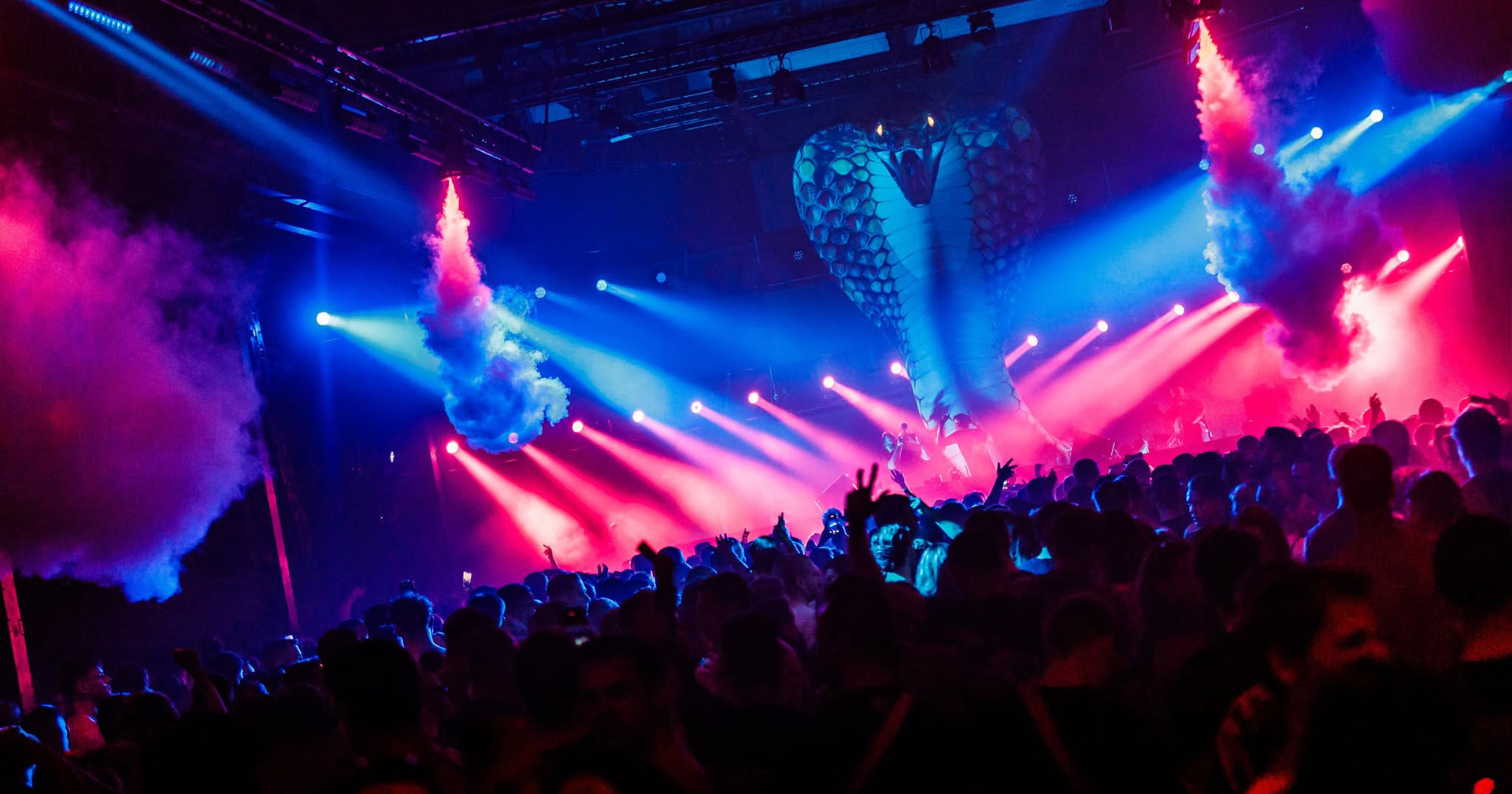
This evolution comes together this weekend at Snakepit’s 10th anniversary. The event celebrates a decade of uptempo with a special edition entirely dedicated to Past, Present & Future. Rather than simply looking back at the genre’s origins, the anniversary also puts today’s sounds and the future of uptempo in the spotlight. Tickets for the anniversary edition are available through the official Snakepit website.