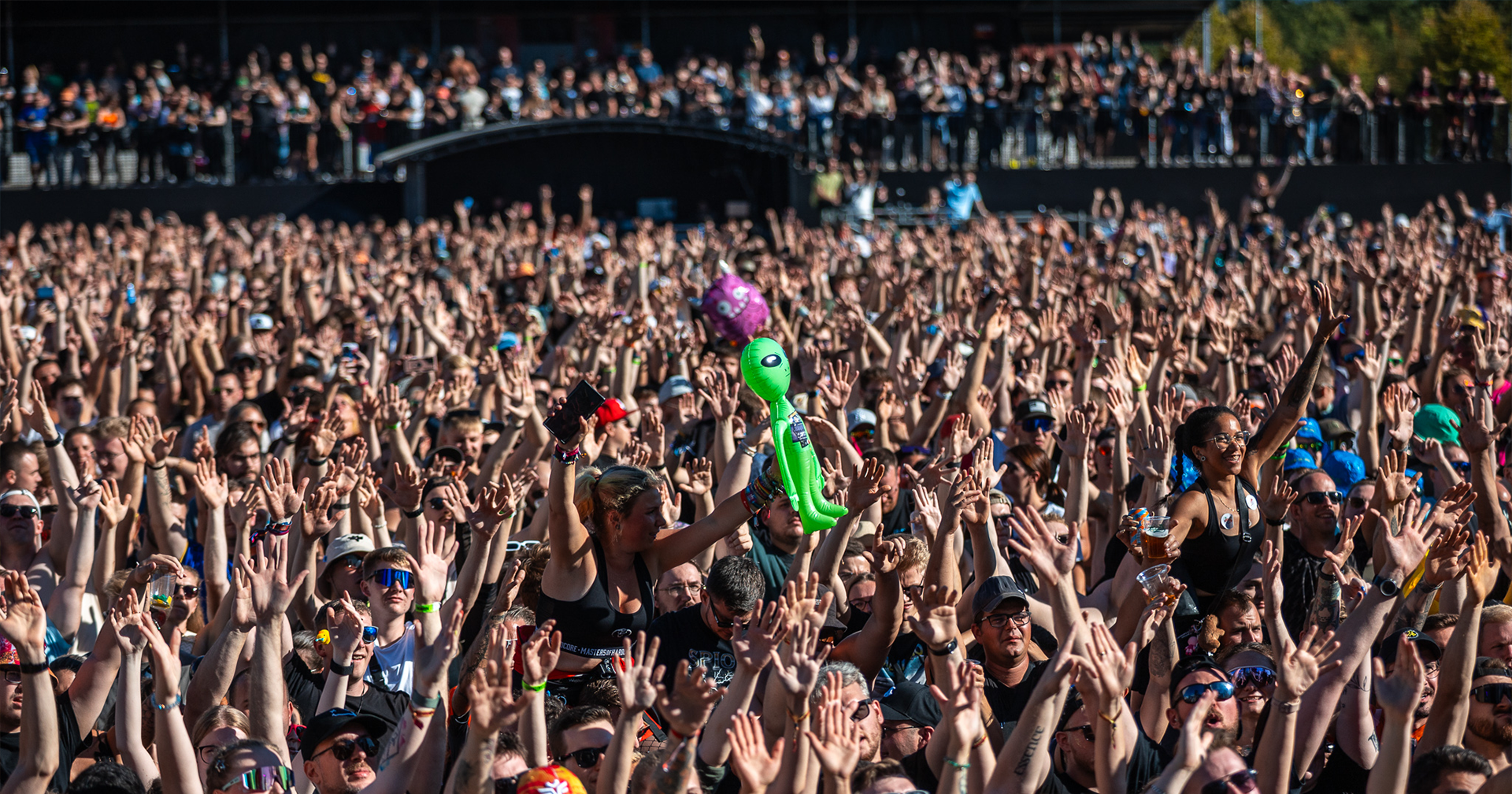

Ticket prices have become one of the biggest talking points in the festival industry in recent years. In 2026, buying a festival ticket increasingly feels like a serious investment. Prices keep rising, fewer events sell out, and the debate returns every summer. But according to writer and 3FM beat columnist Dario Goldbach, we may be blaming the wrong people.
ALSO READ: For You, The World
Goldbach writes for 3FM, a leading Dutch public radio station focused on alternative music, youth culture and festivals. In a sharp and unapologetic column, he takes aim at the modern festival experience, and the audience behind it. “Festivals are too expensive. Nothing sells out anymore. That’s not surprising, we’ve become spoiled,” he argues. In his view, today’s festivalgoer has turned into a demanding consumer, expecting more comfort, more options and more curated experiences, all of which come at a price.
Dit bericht op Instagram bekijken
“Those poor organizers have to drag way too much stuff onto a field just to keep us satisfied”
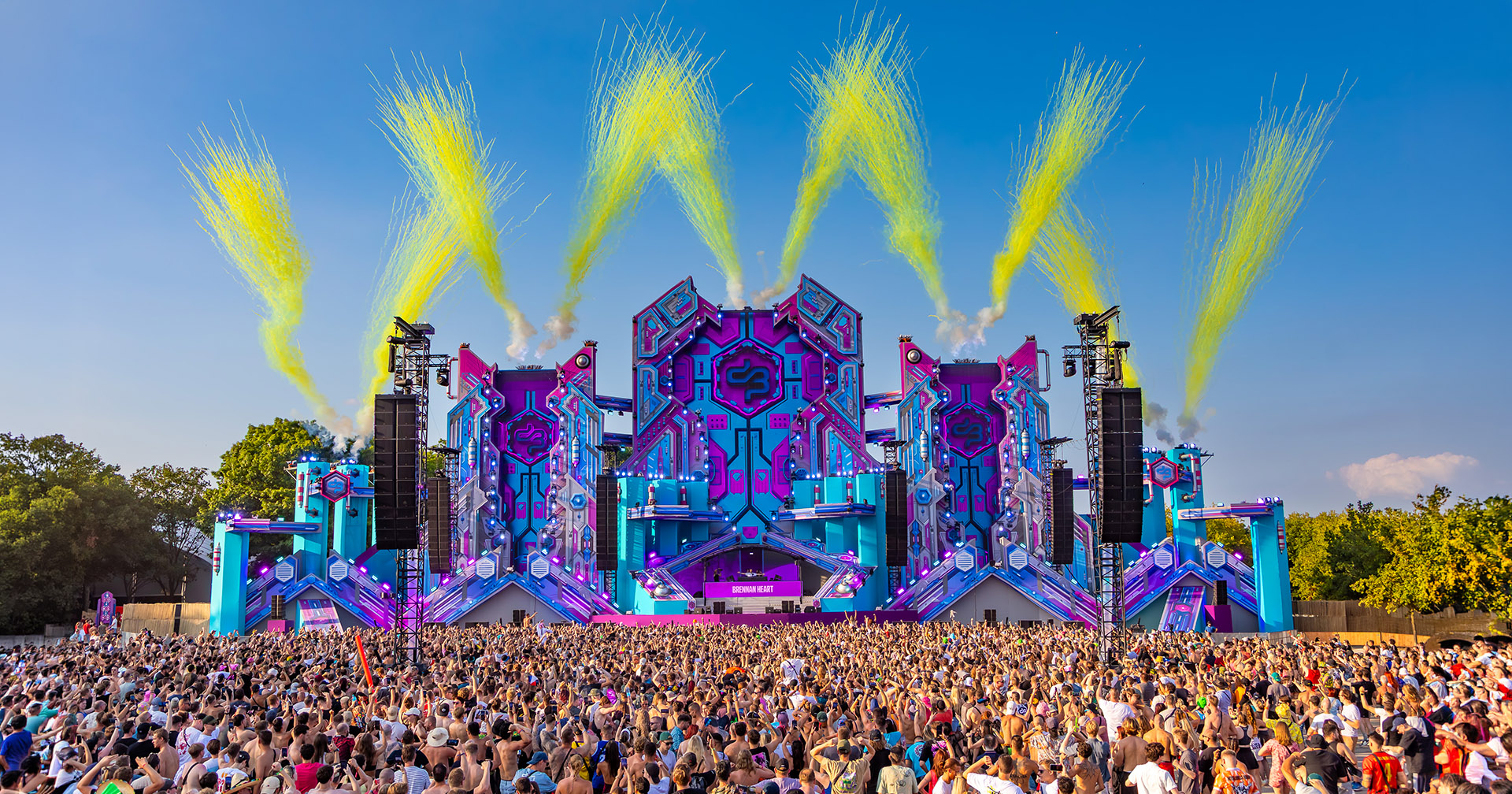
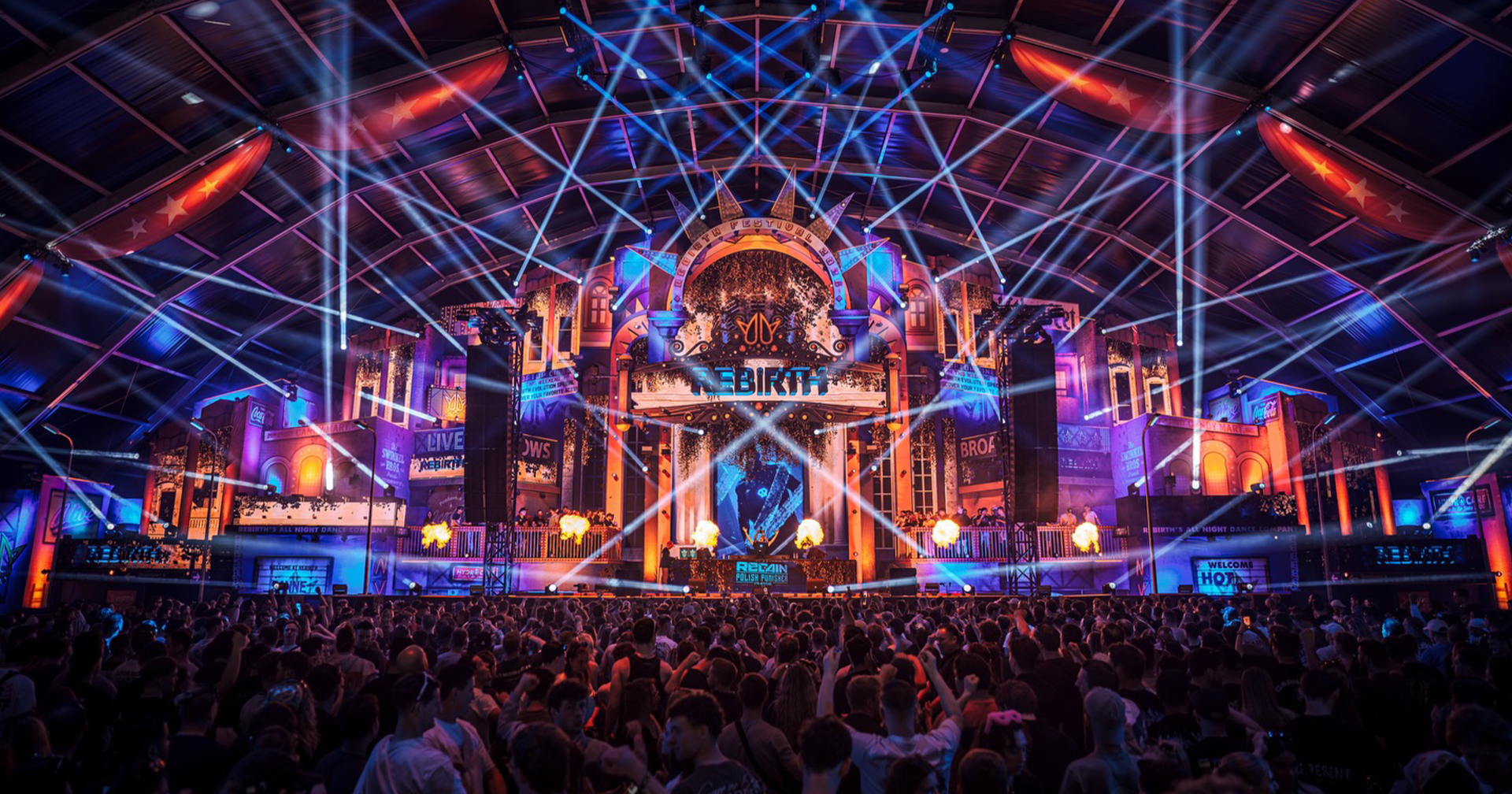
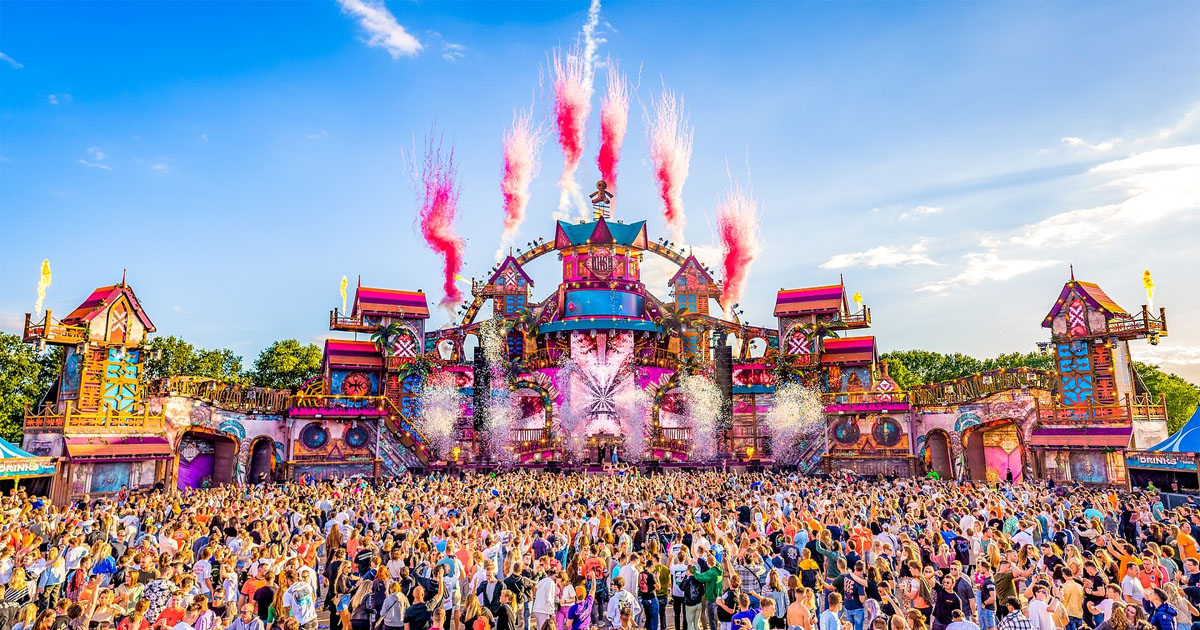
Goldbach sketches a festival world that is drifting further and further away from its roots. What once started as a field with a stage and a sound system has evolved into a full-scale experience. “Oyster bars, glamping, make-up stations, yoga, ziplines, tooth gems, acrylic nails, tattoo studios, sensory-friendly zones and glassware.” The list is long and almost absurd. According to him, it’s a response to an audience that wants everything at once: comfort, luxury and experience.
“Those poor organizers have to haul far too much stuff onto a field to satisfy our cynical, bored generation,” he writes. Every extra comes at a cost, one that ultimately gets passed on in the ticket price.
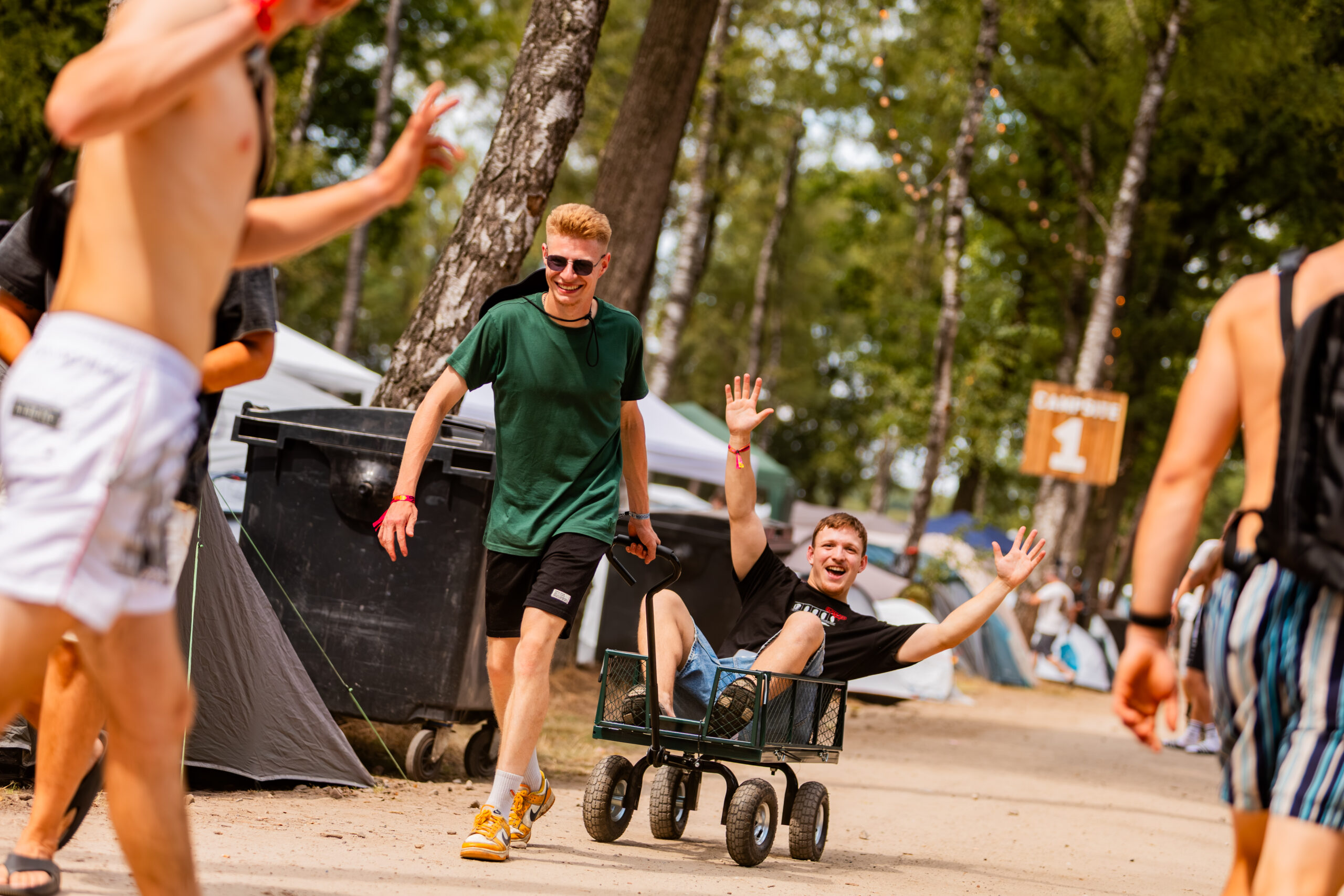
Back to mud, warm beer and survival
To make his point, Goldbach looks back to another era: Dour Festival, 2011. His description is raw, exaggerated and instantly recognizable to anyone who has experienced it. “They let us in behind a fence and checked on Monday who survived.” No luxury, no frills: just music and a crowd.
Food and drinks were simple, almost primitive. Warm beer in plastic cups, a sausage sandwich as the default option. Choices were minimal: “Vegetarian option: fries with mayo. Vegan option: fries without.” No curated food courts, no dietary menus, no personalization, you took what you could get.
And then there was the weather. When it rained, it really rained. No covered areas, no wooden walkways, no staff handing out ponchos. “You got soaked, there was nowhere to hide.” The entire site turned into a thick, sucking mud field where every step became heavier. Or, as he puts it, a place where you started to question whether you were still on earth or stuck in some kind of k-hole.
“If you want weekend tickets back to €150, we’ll have to settle for less”
But according to Goldbach, that was exactly the point. “It was minimalism. It was nihilism. It was a simple life.” Fewer choices, less comfort, fewer expectations and therefore a deeper sense of acceptance. “Almost a kind of Buddhist contentment.”
His conclusion is simple but confronting: if you want cheaper festivals, you have to be willing to give something up. “If you want weekend tickets back to €150, we’ll have to settle for less.”
No more all-inclusive experiences, just a return to the basics.
“Leaking tents. Ringing ears. Bad diarrhea. Surviving at 180 BPM.”